Experimentation guide · 8 min read
A/B Test Planning Checklist: Build Experiments That Increase Conversions
A/B testing replaces opinions with evidence. This guide shows product and growth teams how to build a trustworthy experiment, interpret the result, and turn what they learn into better customer experiences.
Teams often reach for a redesign when a metric stalls. A better first move is usually smaller: identify one friction point, make one intentional change, and let real behavior tell you whether it helped. That is the core of a good A/B testing guide.
You will learn how to choose a meaningful question, design a fair comparison, and make a decision without overreacting to noisy data. The same principles work for a checkout button, a mobile onboarding screen, or a subscription offer.

What is A/B testing?
A/B testing is a controlled experiment that compares two versions of an experience. One group sees the current version (the control); another sees a version with a single purposeful change (the variation). You then compare the outcome tied to your goal, such as completed purchases, sign-ups, or activation.
It is a practical part of conversion rate optimization: instead of asking which idea feels right, you ask which version moves the metric for the people you serve. The strongest tests also explain why a result may have occurred, so the learning can inform the next experiment.
Build an A/B test that teaches you something
A reliable experiment starts before anyone opens an editor. Use this simple planning sequence to keep your team focused.
1. Find one high-impact problem
Start with behavior, not a list of random page elements. Review funnel drop-off, support questions, session recordings, customer interviews, or product analytics. Look for a moment where people hesitate, abandon, or take longer than expected.
For example: mobile shoppers add products to a cart but leave at the delivery step. That gives you a focused problem to investigate rather than a vague goal to “improve checkout.”
2. Write a falsifiable hypothesis
Good A/B testing best practices turn an observation into a clear prediction. A useful hypothesis names the audience, change, expected behavior, and reason.
Example: For mobile shoppers with a product in their cart, showing the delivery date before checkout will increase completed purchases because it reduces uncertainty about when the order will arrive.
3. Choose one primary metric
Your primary metric is how you judge the test. It should be close to the behavior your change is intended to influence. If you change an email sign-up form, completed sign-ups may be appropriate; if you change plan messaging, paid conversion may be more useful.
- Primary metric: the single result that decides the experiment.
- Guardrail metrics: measures that catch harmful side effects, such as refunds or page errors.
- Diagnostic metrics: supporting signals that help explain the outcome.
4. Change one meaningful variable
Changing a headline, price presentation, and layout at once may produce a winner, but it will not tell you what caused it. When traffic allows, keep each A/B test focused on one main idea. Save combinations of changes for a deliberate multivariate test later.
Measure results with confidence
A result that looks exciting after an afternoon may disappear by the end of the week. Reliable experimentation needs enough visitors and conversions to distinguish a real effect from normal variation.
Set your sample size before launch
An A/B test sample size depends on your current conversion rate, the smallest improvement worth detecting, your desired confidence level, and traffic allocation. Decide these inputs before launch so you are not tempted to stop the moment a chart looks favorable.
As a practical rule, let the test run through a full business cycle—often at least one or two weeks—then continue until the planned sample is reached. This helps account for weekday patterns, campaigns, and repeat visitors.
Read the result in context
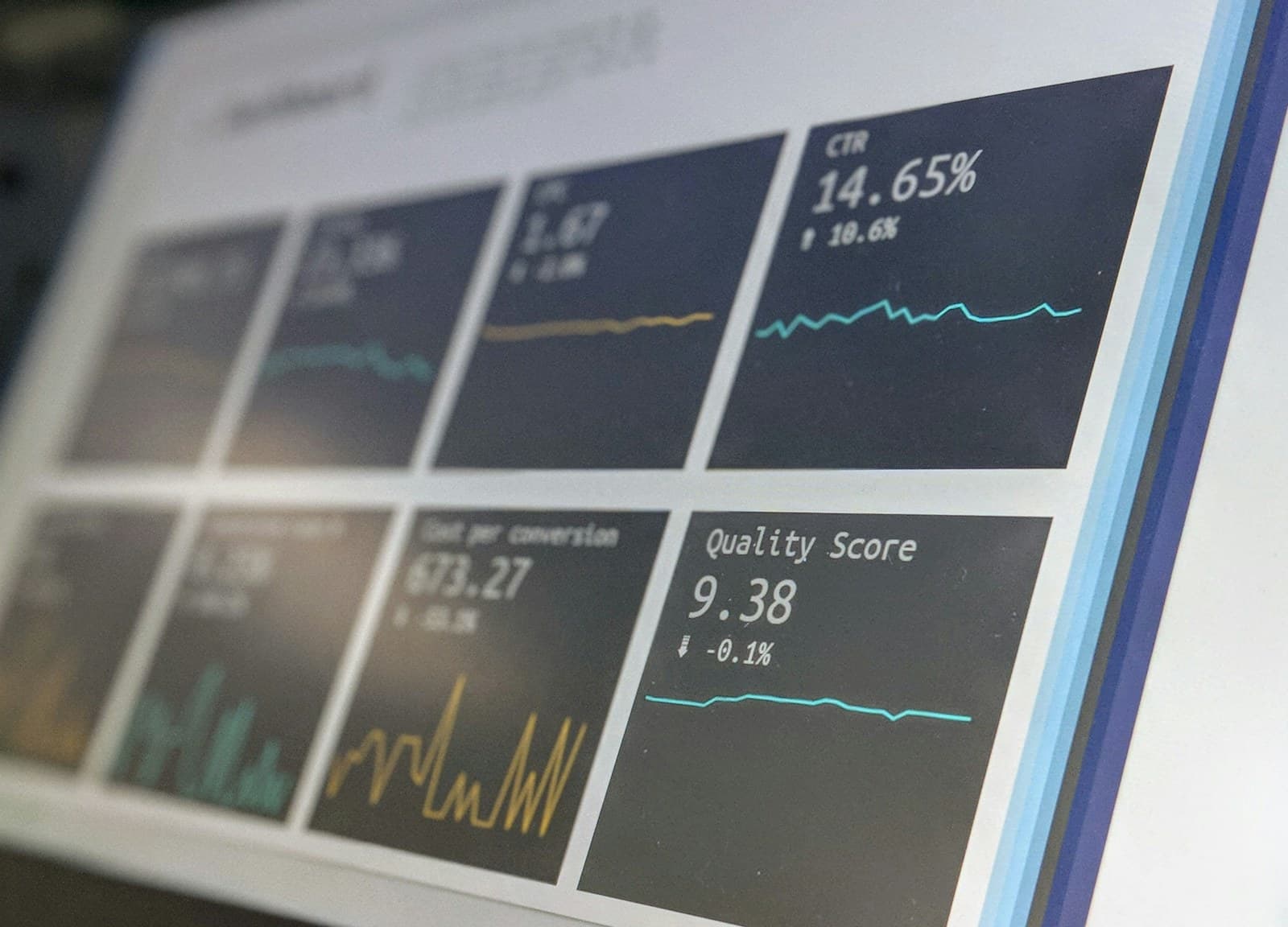
Do not stop at “variant B won.” Review the uplift, confidence interval, conversion count, and guardrail metrics. A small gain can be valuable on a high-volume flow; a large-looking gain based on a handful of conversions usually needs more evidence.
- Did the variant meet the pre-set success criterion?
- Did any guardrail metric worsen?
- Is the improvement consistent for the intended audience?
- What does this result change about your original hypothesis?
Four common A/B testing mistakes
Stopping as soon as the result looks positive
Checking is fine; changing the finish line is not. Ending a test early after a temporary spike raises the chance of deploying a false winner. Commit to your sample size and duration in advance.
Testing without enough traffic
Low-traffic pages can still teach you something, but a traditional A/B test may take too long to reach a useful sample. Test a higher-traffic step, use qualitative research first, or focus on a larger expected effect.
Ignoring the experience around the metric
A higher click-through rate is not always a win if it sends unqualified people into a poor next step. Pair local metrics with a downstream outcome and guardrails that reflect the customer experience.
Treating every result as a final answer
Even a clear win is a learning opportunity, not the end of optimization. Record what changed, who it helped, and why you think it worked. That creates a compounding research library instead of isolated test reports.
Make your next decision evidence-based
The best experimentation programs are not built on clever button colors. They are built on a repeatable habit: observe customer behavior, form a focused hypothesis, run a fair test, and carry the lesson into the next decision.
Start with one meaningful question in your funnel. A well-designed test will give you more than a conversion number—it will give your team a reason to move with confidence.
Put the guide into practice
Build your first experiment with Diti.
Create no-code tests for your web and mobile product, then give everyone a clear view of the result.
Start experimentingAbout this guide
Reviewed by Diti's experimentation team
Diti's product and experimentation team maintains these guides for people planning, launching, and evaluating real product experiments. We update them as our workflow and platform guidance evolves.
Keep learning